
Jimmy Chamberlin’s Drum Studio
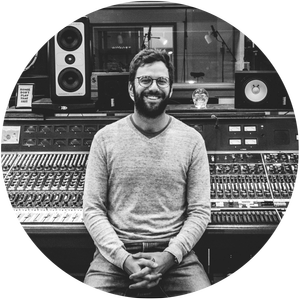
An interview with Smashing Pumpkins’ drummer Jimmy Chamberlin (L) and his engineer Chris Gelin (R).
JIMMY CHAMBERLIN
Thanks for taking the time to speak with us, Jimmy. Could you please tell us a bit about your studio?
My studio is in my home. We had a theater room that was not being used so that was the logical place to put it. It has irregular walls and 11ft ceilings as well as a floating floor. I did some sound treatment including building some soffits off the ceiling that are adjustable height wise and also can be angled one way or another.
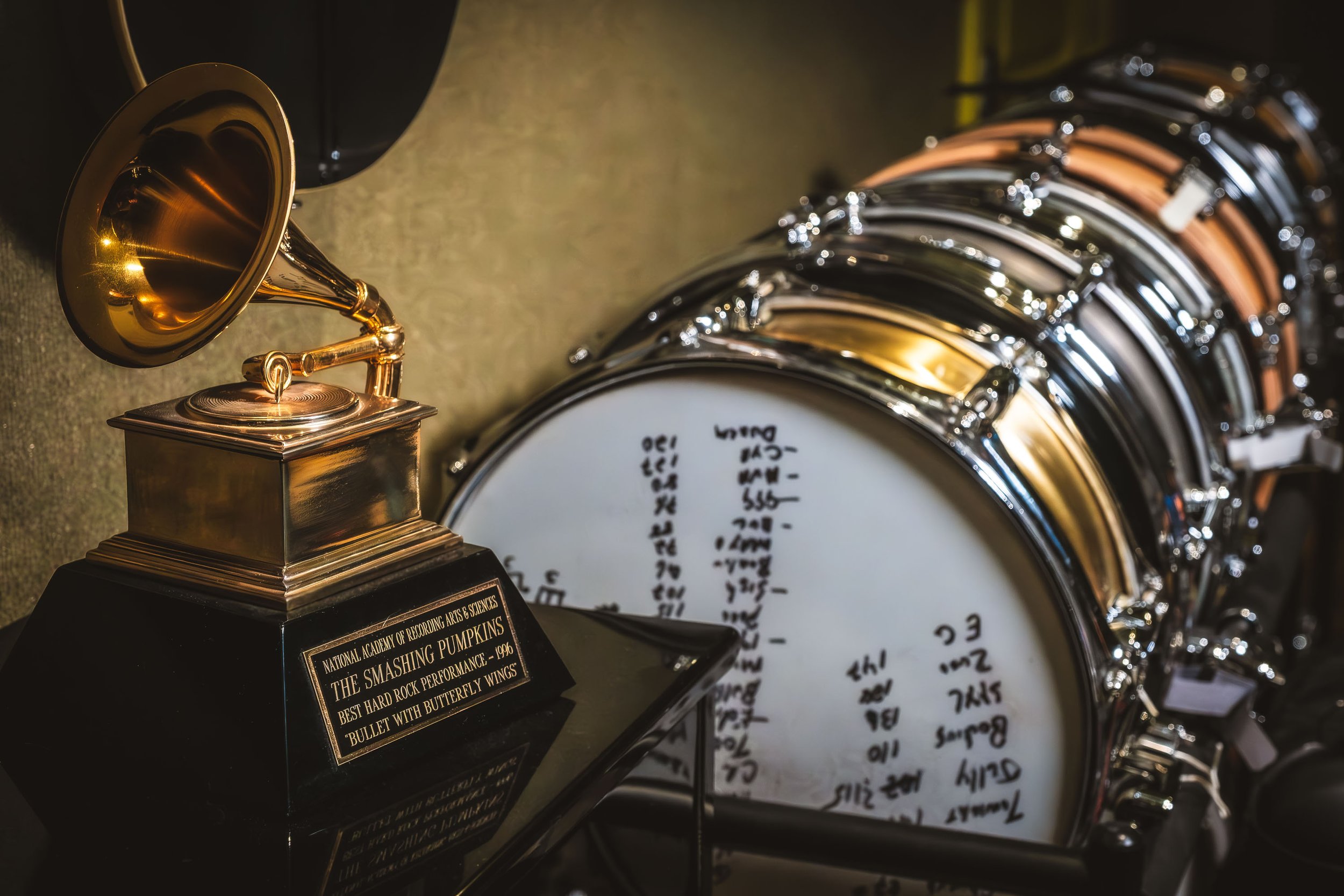
It’s a great sounding room - very neutral without being lame. I’ve recorded a lot of drums in it including Pumpkins, Jimmy Chamberlin Complex, my own solo writing project, and even had my drum sound blessed by Butch Vig as I did a track for him a while back.
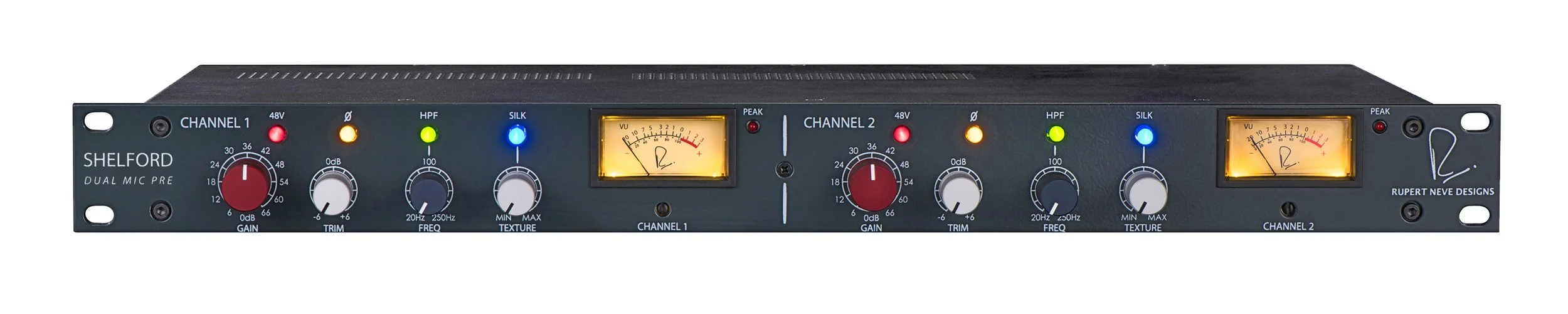
Before that, I had a studio set up in what is now the exercise room. At that point I was running a 40 channel CAD board, some API pre’s, Apogee converters, and a fair amount of outboard gear. It was very labor intensive as far as knob turning vs actual stuff being recorded. I swore it all off when I redid the studio in the current room and now run exclusively on UA Apollo, some great mics and of course my 16 channels of Shelfords. I spend a lot more time on my instrument now - which was the main goal apart from stellar sound.
What is it that makes a great drum room for you?
A great drum room is one that accurately represents the sound of the instrument but also adds a bit of its own sound to the recording. A great drum room will inspire choices by allowing the sound or the feeling/vibe of the room to become part of the performance. Some of my favorites are Studio D or A at The Village, the big room at Blackbird, 1 or 3 at Sunset, A at Chaplin, Ardent in Memphis, and Electrical Audio.
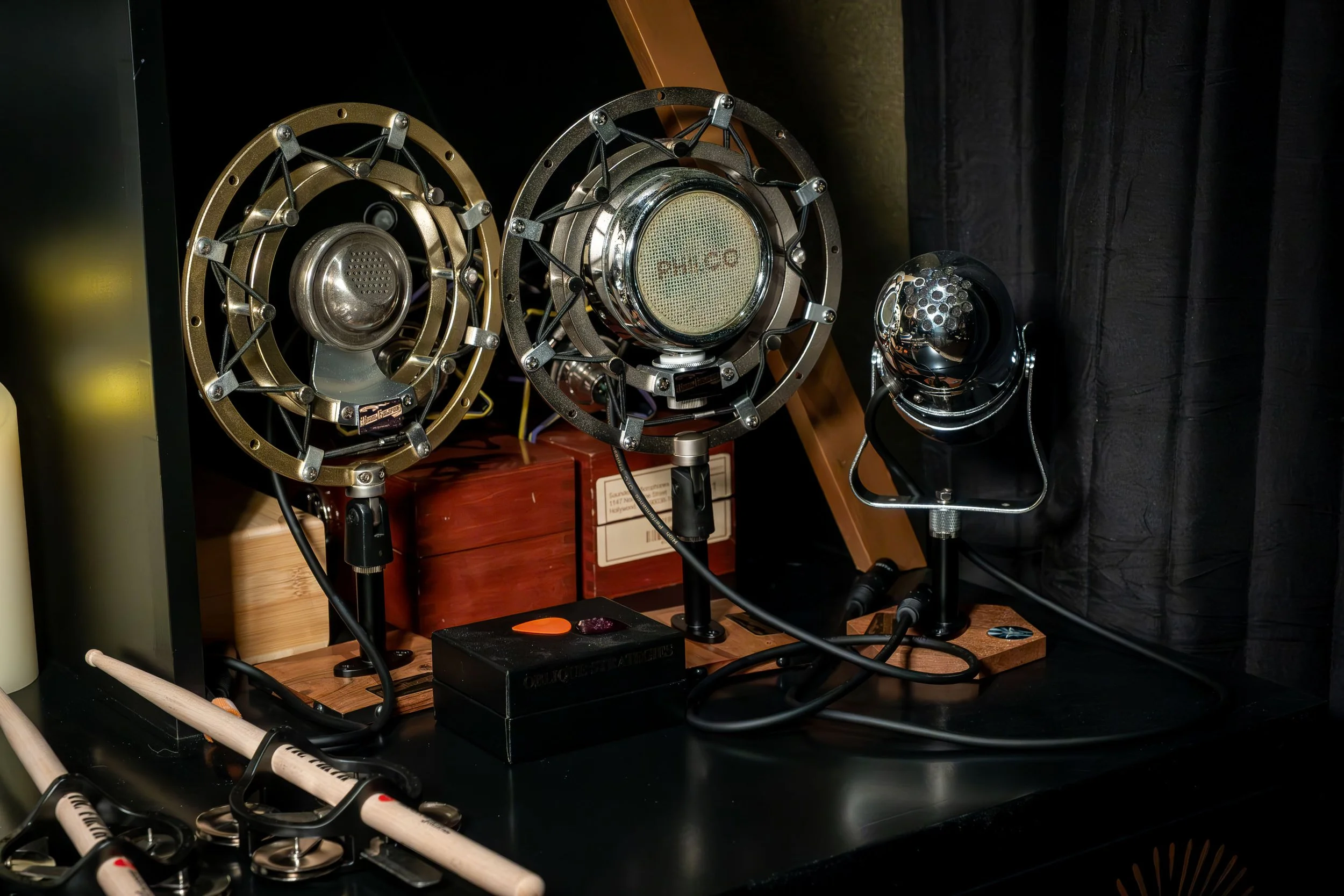
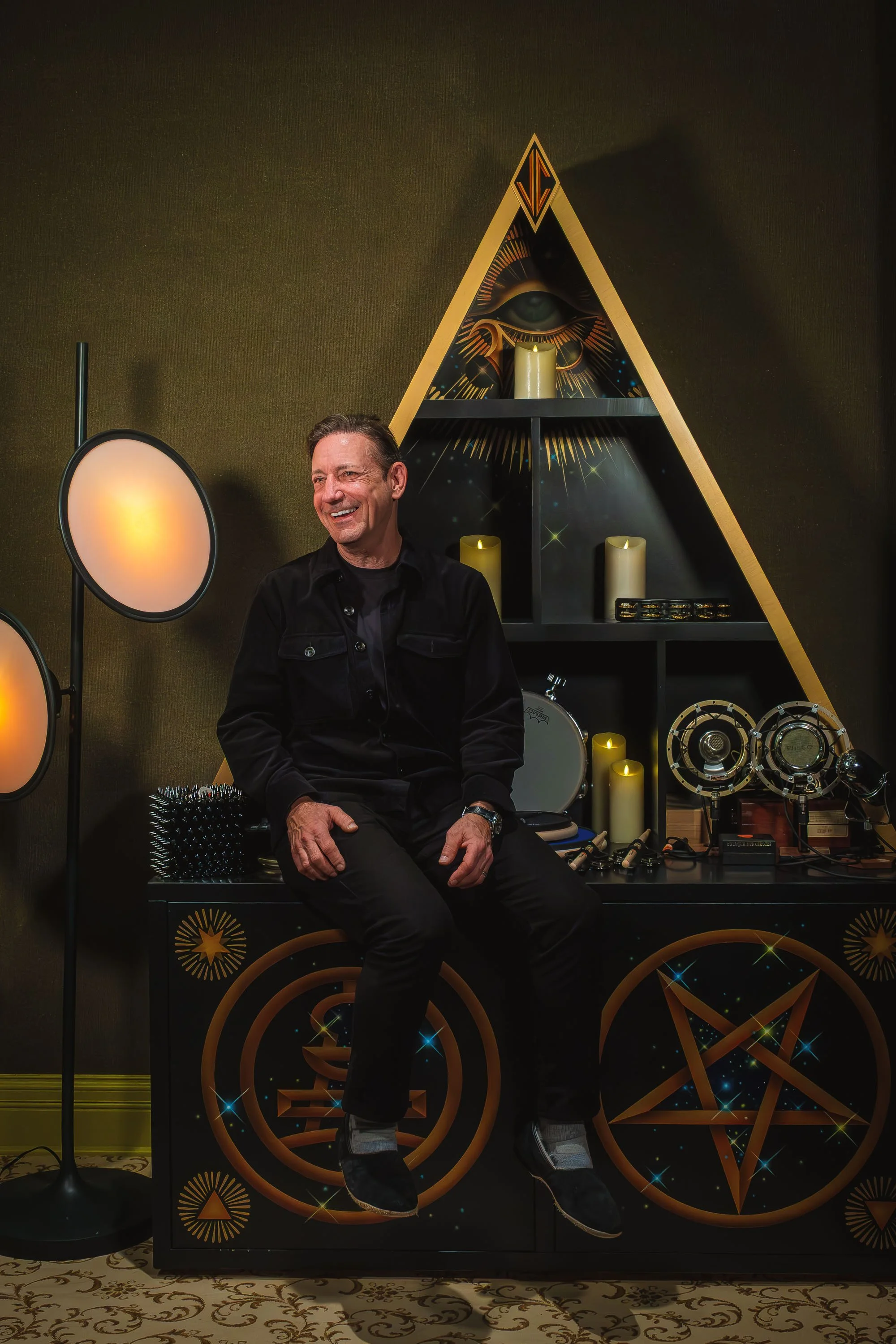
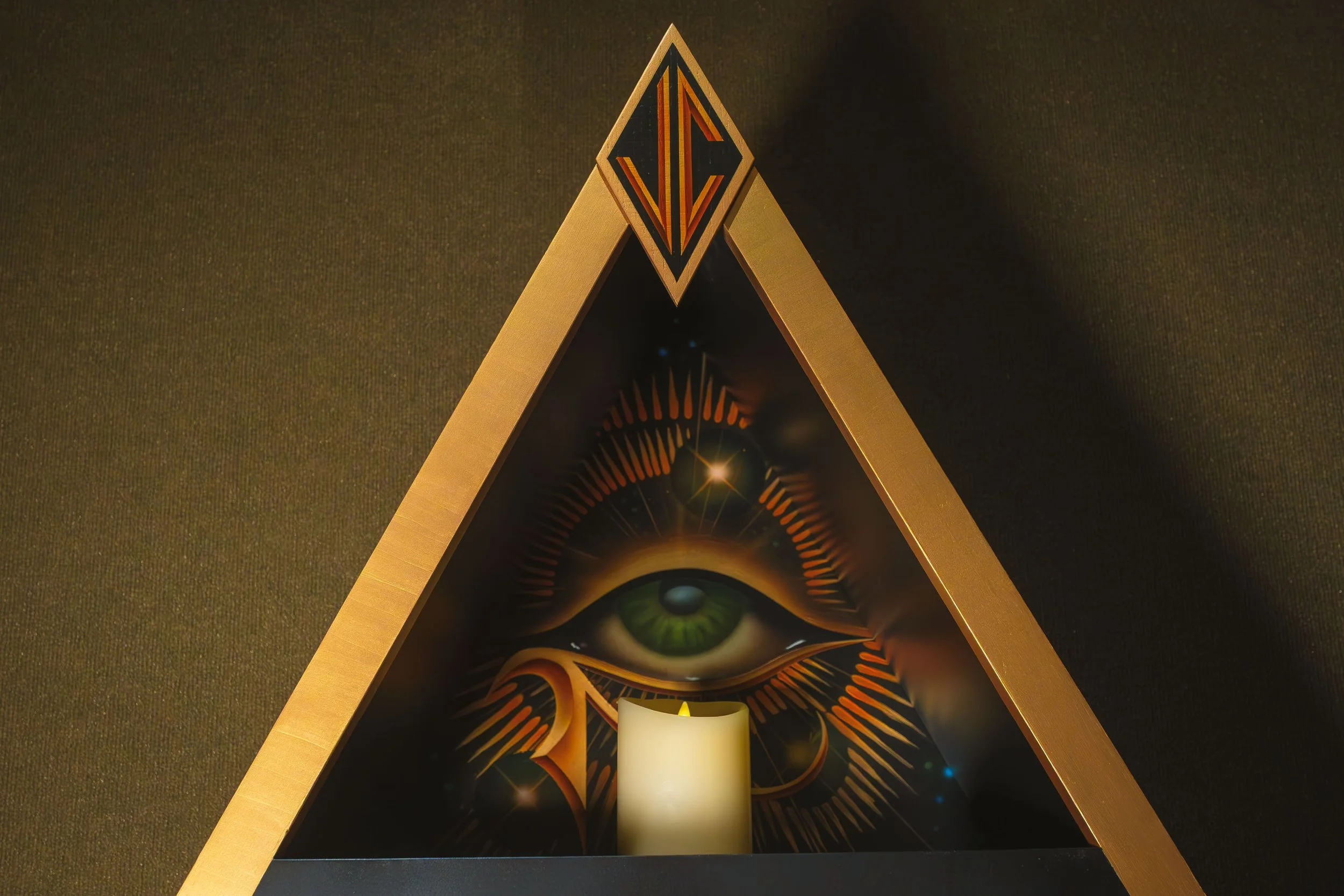
Tell us about some of the interesting objects and details around the room.
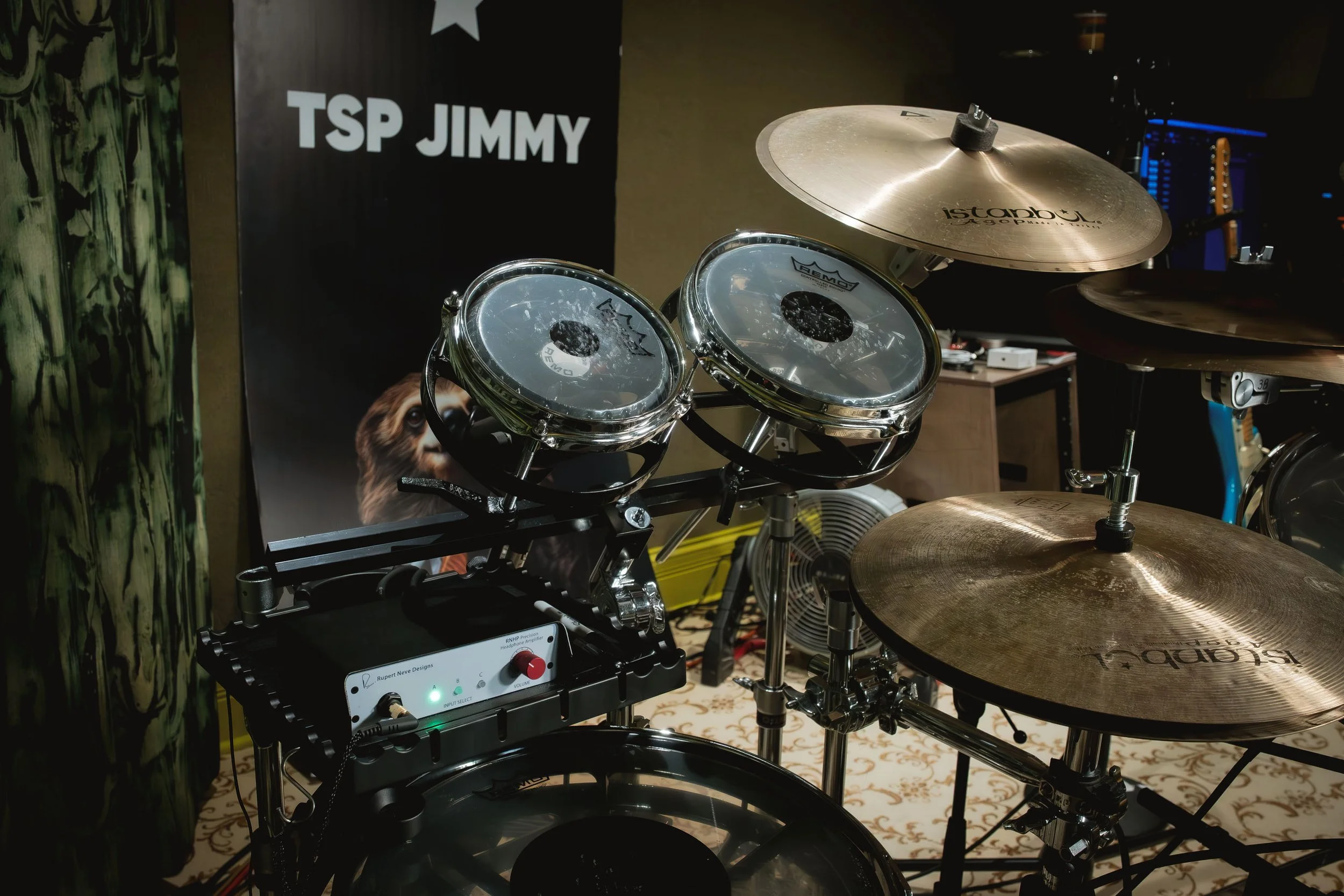
Well, there is a cymbal locker and microphone shelf that I had built by Paul Grill - a local woodworker. It was then painted by Jason Brammer, a mural artist from Chicago and the guy that’s painted almost all of my drum kits. It’s a pretty substantial piece of furniture as it sits about 8’ high and is about 5’ wide.
Where did that fabric behind the kit come from?
The fabric which is by Timorous Beasties, was picked out by Lori, my wife, and the paint was chosen by me. The walls are covered with a sound deadening wall paper and the ceiling and the doors are painted a very cool, mustard green. It’s a pretty dynamic space - vibe wise.
Other than that there is a Yamaha piano and a fairly large guitar collection including everything from a Gibson 1960 ES 150 to a Scalloped Yngwie Strat.
What does the name “Rupert Neve” mean to you?
Great sound!
How did you first hear about the Shelford mic preamps?
From my engineer, Chris Gelin.
To your ears, what makes them different from other preamps you may have used? Why do they work for you?
First it’s about the great sound, and the Shelfords have that covered, but most important to me is the flexibility that they have. I can go from one gain profile to another and still be congruent within a palette. I love that! I’m not married to one particular sound and the pre’s allow an incredible amount of variance/nuance to spread over and throughout the kit before I even touch an EQ. I can juxtapose transient-centric snares and toms with buttery, dark overheads and room mics. It really makes for an excellent starting point and most times, there isn’t much to do after proper mic placement and gain staging.
Is there anything else you’d like to share with us?
Just that I’m happy for this relationship. As I’m in my studio most every day, ease of use is important and being able to dial up sound quickly makes more time for playing and experimenting. The Shelfords have transformed my workflow by creating a gain parameter where every choice sounds great and gives me the confidence to push things into new realms. With the Shelfords, I’m happy to turn a knob to see where things go – whereas with some of my previous preamps there were only one or two sweet spots.
CHRIS GELIN
Hey Chris! Would you tell us a bit about yourself, who you are, and what you do?
My name is Chris Gelin. I am a Chicago-based producer, engineer, mixer, and mastering engineer and owner of Opus Audio Labs. I also have over 25 years of experience in live sound.
As an engineer, what is it that really makes a great drum recording for you?
Usually this type of question is aimed at the technical aspects of music production and rightfully so, but the thing to remember is this — recordings are documents. So what does it take to document something truly great?….Something worthy of documenting in the first place. A “good recording” of poorly played drums does not qualify as a good recording. The responsibility falls on both parties to make that documentation a success. A great drummer playing a great part to a great song are all paramount.
Your room / environment is also a huge factor. Equipment choices also play a massive role here but without the previously aforementioned ingredients these things become null and void quickly. But when approaching the capture portion of the situation, I am looking for tools that bring me to the content in a way that the tools themselves disappear. I don’t want to hear microphones or speakers, compressors or EQ. I want that recording to live in the room with me.
As recordists, mixers, and engineers, our job is to translate what will be or what has been documented in a way that lends service to the song and artist. Any recording that does that and delivers real emotion to the listener in a more powerful way has done its job — in my opinion.
Which pieces of Rupert Neve equipment do you own and use, and why?
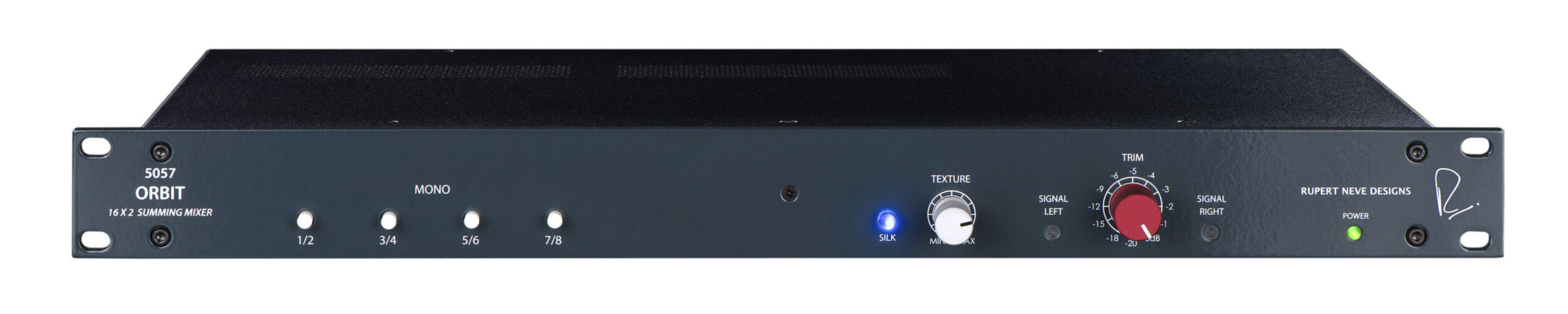
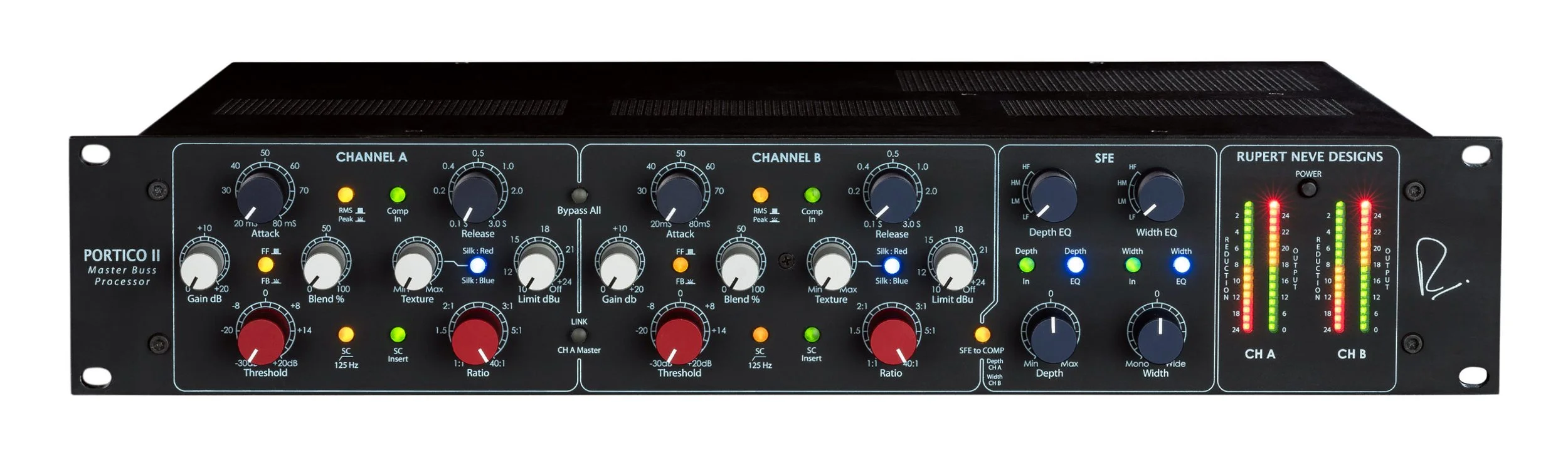
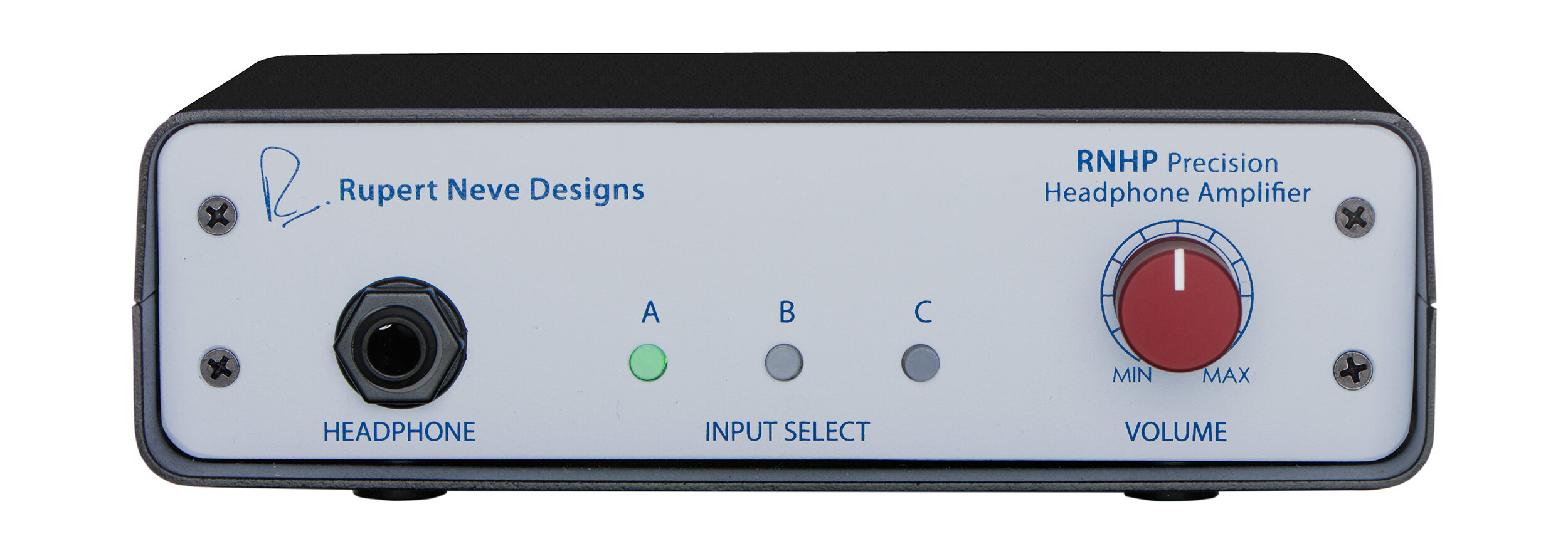
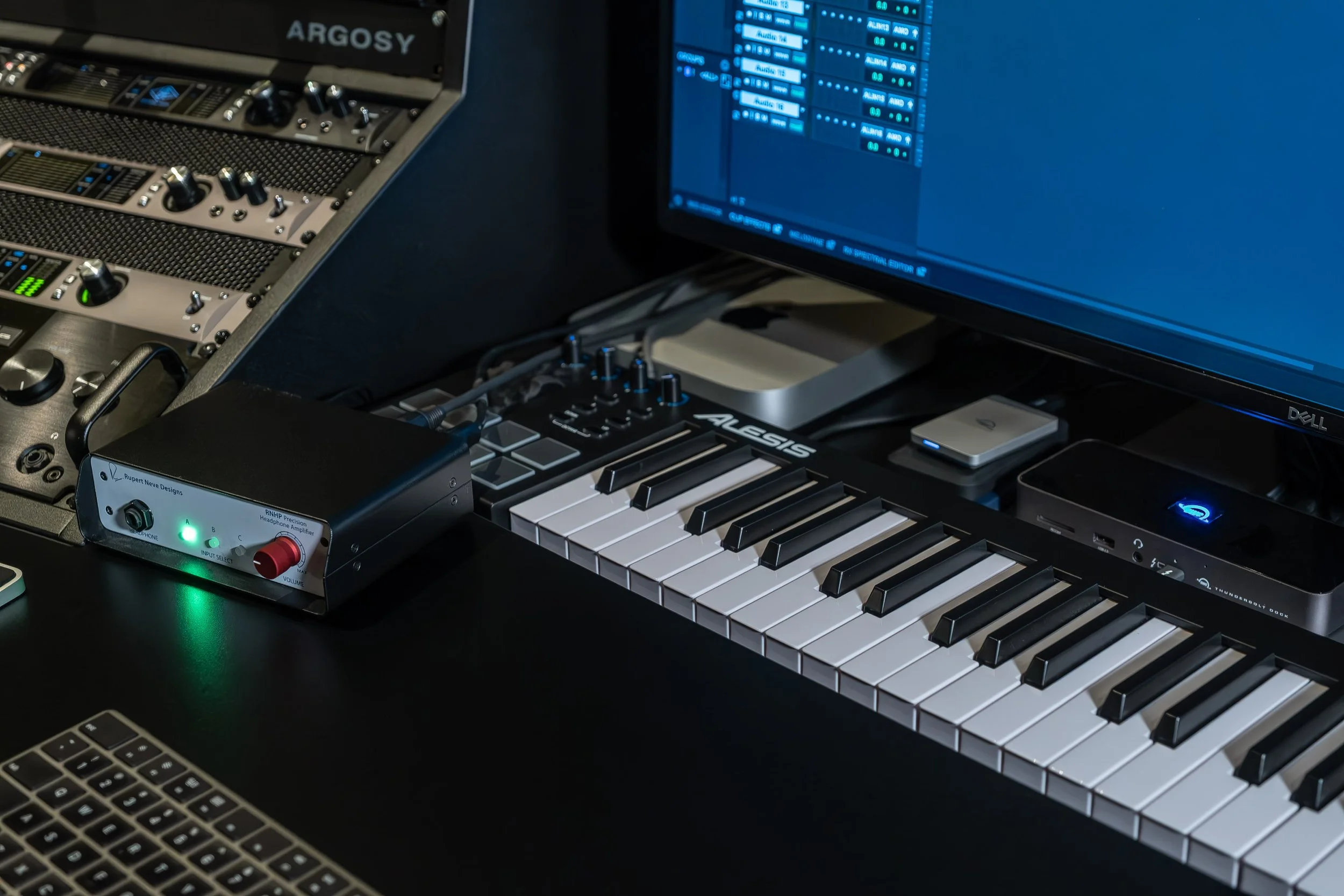
My mix bus chain starts with summing into the 5057 Orbit, which feeds the Portico 2 Master Bus Processor. I have the RNHP as well and take it with me on any kind of travel work.
My room really came together in parallel with Jimmy’s Shelford install. I was shifting focus in my own studio to a more mixing and mastering-centric space. I already had the Orbit as well as the RNHP. I was researching mic and preamp options for Jimmy’s studio and it branched out into mirroring the rooms in a more fundamental way: mine on the mixing / mastering side, and his on the tracking and RND monitoring.
The idea is to create baselines of reference for everyone. To harness efficiency. One studio is the tracking portion of an RND console and the second would be the mix bus/master section side. Together, we have all of the elements for a 16 channel RND console with RND monitoring and a uniform experience between the 2 mirrored spaces. It's an instantaneous recallable console with the internet inserted in the chain in a modular and remote solution, and it's fully adaptable to the needs and budget of the artist.
How would you describe this workflow compared to a more traditional console workflow?
This is all just facilitation at the end of the day. The goal is always to get the best outcome the fastest way and cut out any time-consuming failure points. Inspiration in the moment has a shelf life. It can expire. Jimmy is incredibly busy and so the day-to-day needs in his studio can vary quite a bit. He is also incredibly knowledgeable on all of this and has been working in the highest level environments with the top engineers for decades. He has heard the greatest techniques in the world. There is no pretending here as he will immediately notice the slightest level of inconsistency in playback — because he's so aware of what he's playing. If there's an issue, it's not his playing or his drum sound.
Victor Salazar, Jimmy's drum technician, is also a huge proponent of the excellence we are able to achieve. We are absolutely forensic in our approach, because the playing will be forensic in its own articulation and voicing, so it's really important to facilitate and document that correctly.
I would say the biggest difference in Jimmy's studio from other spaces, is the level of intention and collaborative execution that goes into every session, but workflow wise — in this example, we have a modular console that requires zero maintenance, has practically no power draw, can be easily parceled out and repurposed or even moved to alternate locations and costs a fraction of the price of a complete desk.
What does the name Rupert Neve mean to you?
It is a name synonymous with excellence. It's the guarantee that anything I get from that company is going to do its job. Without question. The name Rupert Neve means I have the potential for anything I can think of— and a means to get there.
What has your experience been using a whole rack full of Shelford preamps on a kit?
It has given me the opportunity to approach music capture in a very different and inspiring way. I see the 16 Shelfords as an input console and I actually mix the drums with the preamps. Another point to add is the flexibility within the preamp architecture to get as fast and articulate or slow and sloshy as needed due to the malleability of the Shelfords. They have the ability to drastically change harmonic speed and release time of the source material in such a musical way.
There is a lot happening when Jimmy plays and he is relying on detailed transient information on all of it simultaneously. The Shelfords give such a full sound but get out of the way quickly when you don't hit them hard. They also seem to add dimension along with gain that is far beyond turning things up or down, allowing a whole new layer of imaging to the recording. Using them as an input console allows me to access that very quickly and very creatively.
Is there anything else you'd like to share?
Audio production lies in a peculiar place, when you think about it. It is an invisible medium with weight bearing properties that can be felt physically and transcended emotionally. At the same time it is chained to the limitations of its mechanical counterpart and delivery mechanism — which is a speaker. To my ears, the choices offered by RND allow me to bend those limitations because I am getting more access to the source in a way that follows through the entire production. From the preamps to the spatial field editors. These tools are lenses and attenuators into the molecular structure of music — and will go anywhere the music takes you.
I’d also like to give a shoutout to Josh Thomas and Chris Dauray at Rupert Neve Designs for all of their time and support as well as Joe Perrone at Sweetwater for getting us sorted in such an effortless fashion.
If anyone would like to contact me, feel free to reach out at my website www.opusaudiolabs.com. I'd love to hear about you and your project. While this equipment is a runway of potential, it doesn't write the song for you. Content will always be the most important thing — and incredible content can come from anywhere.