
Customer Spotlight: Keefe Bieggar / The Finding Church
Photo © 2026 Jason Ege
Can you please tell us who you are and what you do?
Hey, I’m Keefe. I’m the Production Manager and Sound Engineer for The Finding. What started as a conference has grown into a movement and now a church. I handle the logistics and audio side of our production systems and make sure every gathering sounds consistent, musical, and impactful. Our livestreams have reached people around the world, and we’ve even had folks fly in from across the country to be part of our conferences and gatherings.
For some shows, I travel with a restored vintage Gamble console featuring 72x72 channels of A/D conversion. I love mixing with the soul of analog and the flexibility of digital.
I’ve been at Eastridge Church for over 12 years and with The Finding for about 4, and it’s honestly a joy to serve both. I also share a lot of behind-the-scenes content from my shows and rigs on social media, which has been a fun way to connect with other engineers and churches across the country.
What led you to your current setup? Could you walk us through your rig and why you designed it that way?
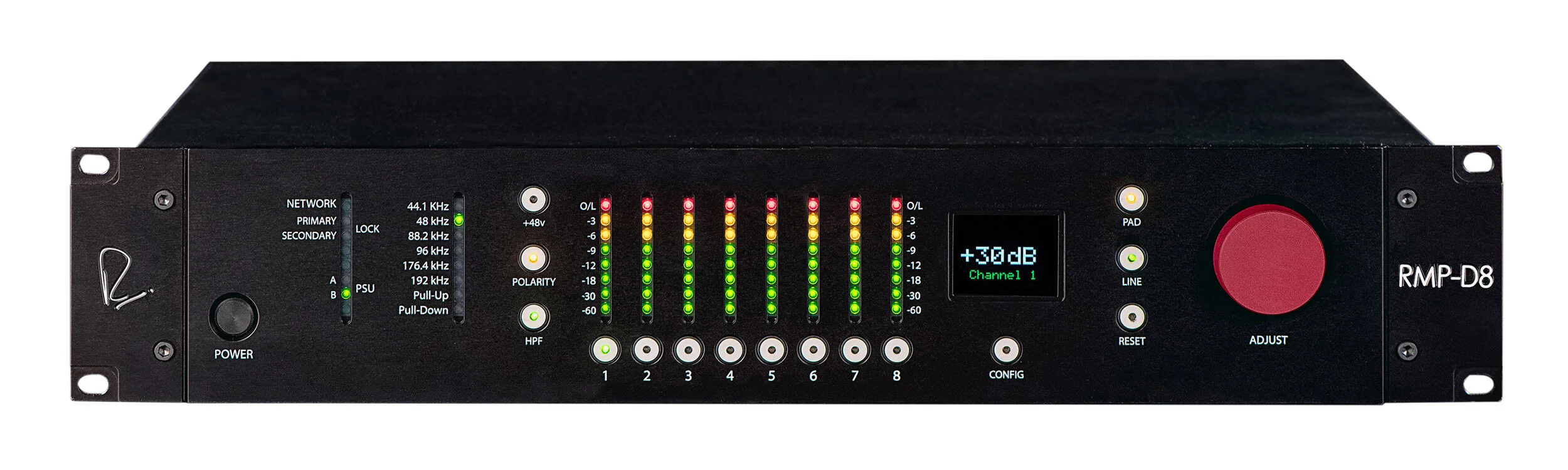
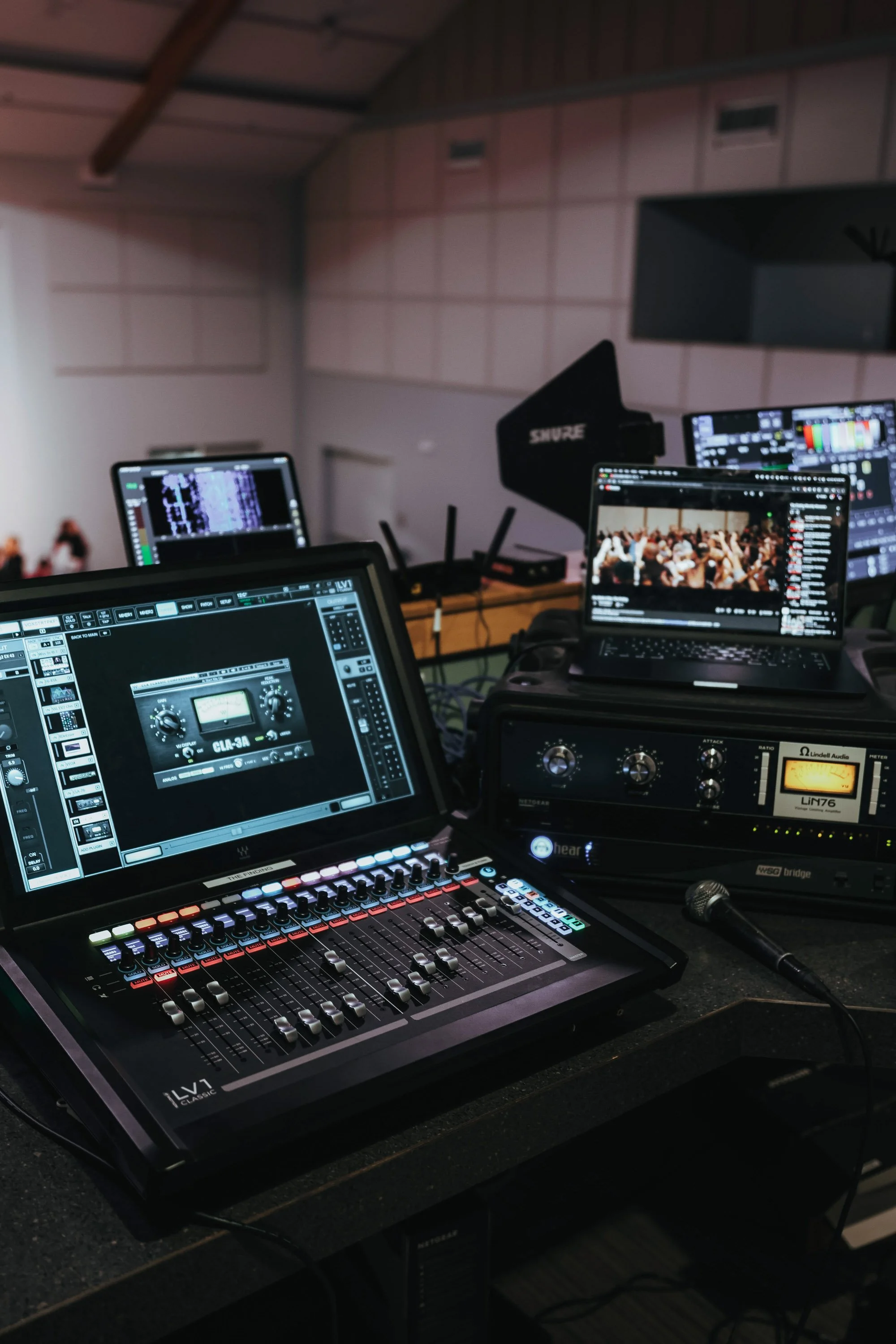
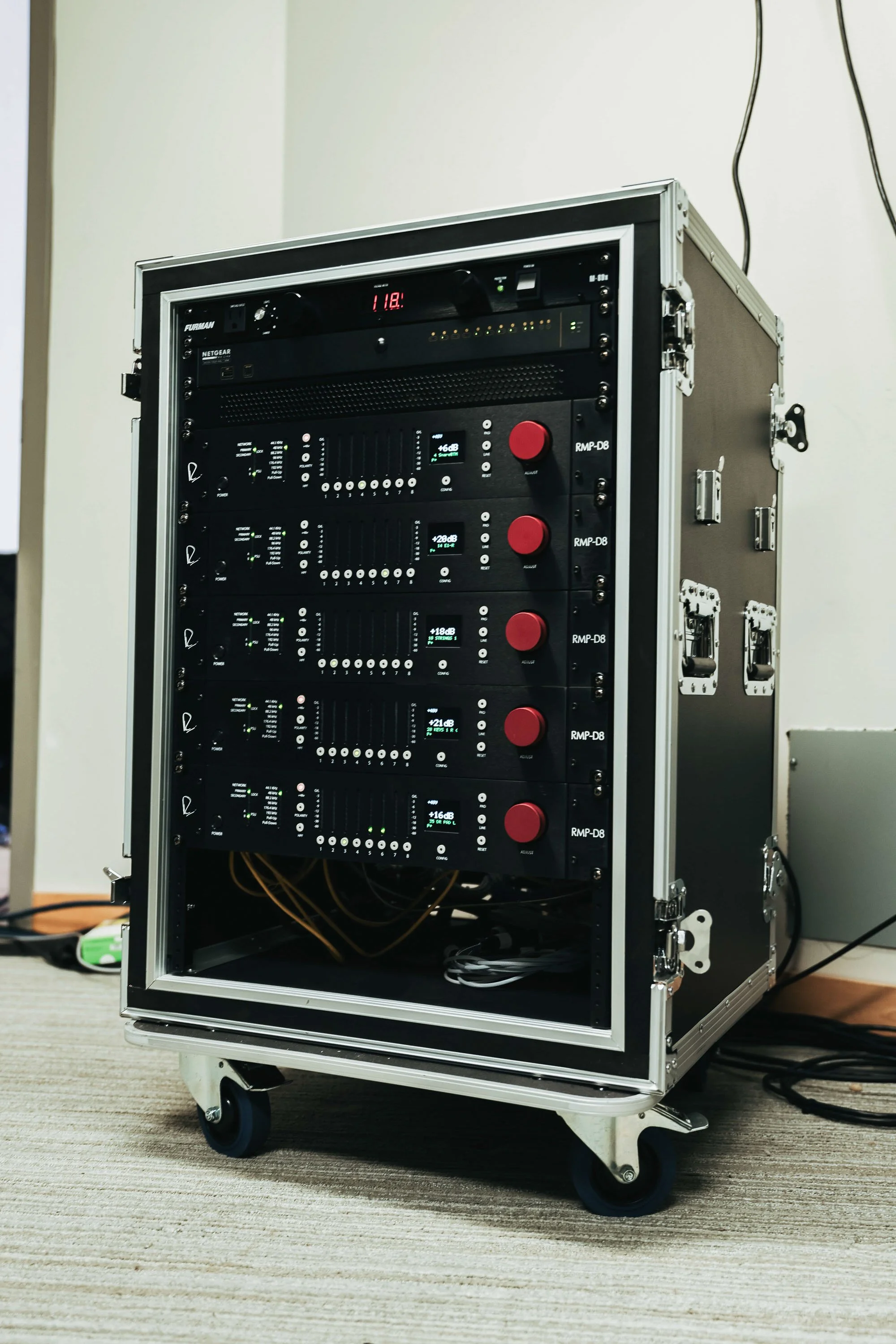
We currently use a Waves LV1 Classic console with 40 channels of Rupert Neve RMP-D8 stage boxes.
We started out using whatever console we could use at each venue, which meant every month was a battle for consistency and fidelity. I’d bring my plugins, but the front end was always a compromise. We knew we needed a system of our own. Pavel, our band director, comes from a studio background, so high fidelity and cross-compatibility were non-negotiables. When I mentioned Rupert Neve’s Dante-based RMP-D8, it immediately checked those boxes. When Waves launched the LV1 Classic that same fall, the decision was clear: invest in the pres for the future and pair them with a flexible, portable console today. That combination has given us studio-grade sound we can take anywhere.
Photos © 2026 The Finding
What differences did your band notice when you started using the RMP-D8s?
Right away, the band noticed it didn’t sound like a typical church sound console, it felt like stepping into a recording studio. The RMP-D8s are warm and musical, with transients that are soft and natural, very much like the original 1073. Having that character across 40 channels feels like a luxury, and it’s reshaped the way our mixes translate both in the room and in recordings.
What do you feel the biggest advantages are of using Dante in a live rig?
I’ve been a big Dante proponent for years. For us, it’s not just about connectivity - it’s about flexibility. We multitrack every show, run a separate broadcast console, and use Shure Axient, PSM1000s, and Aviom a640 IEMs, all on Dante. We can route anything anywhere, no matter the manufacturer. Even better, guest broadcast engineers don’t need patch sheets anymore. They can open Dante Controller, see labeled inputs, and even get gain-compensated head amp control instantly. That kind of plug-and-play simplicity is a game-changer.
How about the advantages of an analog front end?
The RMP-D8’s transformers and conversion are insane. Even when pushed into the red, they stay smooth and musical instead of harsh. And when you open them up, the signal stays clean and detailed, without the hiss you’d expect from most digital stage boxes.
Photo © 2026 Jason Ege
Do you have any advice for someone looking to get into live sound mixing?
Now is such a great time to get started. Resources are more accessible than ever, hardware is incredible, and studio principles translate directly to live. You can learn the fundamentals in Logic Pro & YouTube and bring that knowledge to a console.
My best advice: just go. Show up at a venue, wrap cables, push cases, ask questions, and start turning knobs. The church is also an amazing training ground - it’s where I started 13+ years ago. You’ll get hands-on time with the same gear used in top productions, there’s a huge need for volunteers, and there’s plenty of grace as you learn. That path not only got me here but also connected me to the kind of tools I use today, like Rupert Neve.